
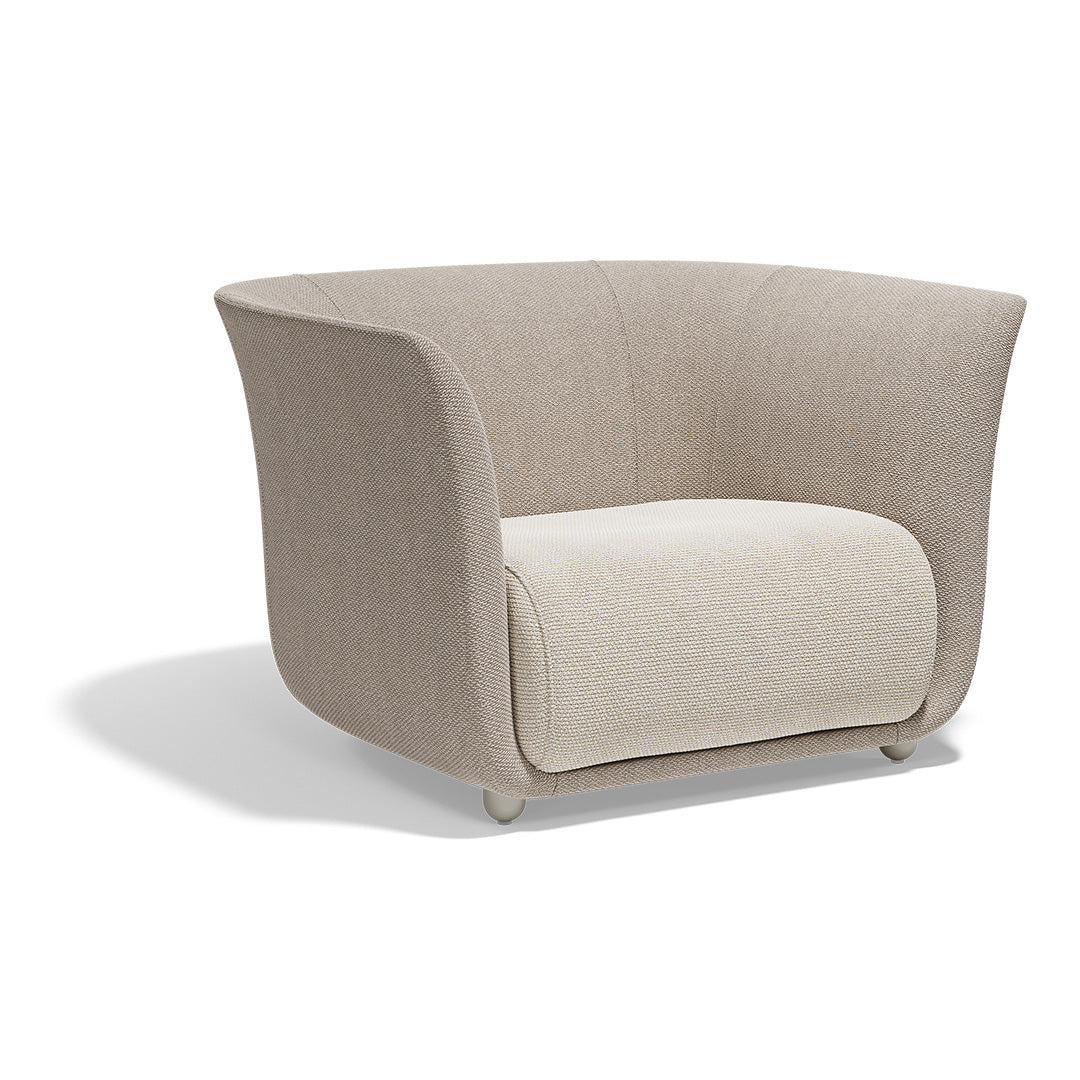

The living room, that sanctuary of relaxation and hospitality, is the heart of every home. It is a space that reflects not only our personal style but also our emotions, our desires and our personality. Choosing a living room colour may seem a simple task at first glance, but it is in fact a crucial decision that can transform the atmosphere of your whole home. So what is the ideal colour for a living room?
The answer is not as simple as it might seem. The choice of colours depends on a number of factors such as the natural light in the room, the dimensions of the living room, or your personal tastes in interior decoration. The good news? You are in the right place to find out how to choose the perfect colour for your living room wisely.
In this article, we will explore together the importance of choosing colours in interior design and the common mistakes to avoid when choosing shades for your living room. So without further ado, let's dive into the fascinating world of colour.
1. How to choose your living room colour
Understanding the importance of choosing colours
Have you ever noticed how much more relaxed you feel in a room with blue or green tones, while a red or orange room gives you a boost of energy? This is no coincidence. Colours have a direct impact on our mood and emotions. They can create a warm, welcoming atmosphere or, on the contrary, give an impression of coldness and isolation. The choice of colours for your living room should therefore not be taken lightly.
Factors to consider when choosing a colour
So how do you choose the right colour for your living room? Several factors come into play. First, the natural light in the room is crucial: a well-lit room can carry darker colours, while a less bright space will benefit from lighter shades. Next, take the size of your living room into account: light colours visually enlarge the space, while dark shades create a more intimate atmosphere. Finally, don't forget that your personal tastes are essential: after all, you are the one living in this space.
Common mistakes to avoid
Choosing a colour simply because it is trendy is one of the most common mistakes. Trends come and go, but your living room will stay. So favour colours you genuinely like rather than those of the moment. Another mistake to avoid is neglecting the harmony between walls and furniture. Make sure the colour chosen for your walls goes with that of your furniture for a harmonious result.
Finally, remember that the living room is a living space. It should therefore be welcoming and comfortable. Let your instincts guide you and choose a colour that makes you feel good. After all, that is the whole beauty of interior decoration: it is a reflection of who we are.
Ready to choose the ideal colour for your living room? Visit Verano Design to discover our wide range of high-end design furniture that will show off your colour choice.
2. What is the best paint colour for a living room?

Warm colours versus cool colours
Colours have the power to transform a space, to bring energy or to offer a relaxing atmosphere. Warm colours such as red, orange and yellow can bring a warm, welcoming feel to your living room. These shades are ideal for north-facing rooms that lack natural light. Conversely, cool colours such as blue, green and purple can help create a calm, serene environment. They are perfect for south-facing living rooms that get a lot of natural light.
How colours affect the mood and energy of the room
The colour of the walls can influence our mood and energy. Bright tones such as red or orange stimulate the mind and encourage conversation, which is ideal for a living room where you like to entertain. By contrast, soft shades such as sky blue or mint green create a soothing atmosphere conducive to relaxation.
Trending living room colours
In decorating trends, there is currently a craze for earthy tones: deep browns, forest greens and navy blues. These shades bring sophistication and depth to your space. However, remember that the best colour for your living room will be the one that reflects your personality and goes with your furniture.
3. What colour should you put on living room walls?
Different types of wall finish
The choice of paint finish can also influence the final look of your room. Matt finishes are elegant and hide imperfections well, but they are harder to clean. Satin or gloss finishes reflect the light and add dynamism to the room, but they can highlight flaws in the wall.
Matching colours with the rest of the decor
When choosing a colour for your living room, think about how it will fit with the rest of your decor. If you have bold furniture or striking artwork, opt for neutral shades that will show off these elements without dominating them. Conversely, if your decor is rather understated, a bright or deep colour on the walls can bring character to the room.
How to use paint samples
Before committing to a colour, it is a good idea to buy paint samples. Apply them to several walls and watch how they change with the light throughout the day. This will help you choose a shade that suits your living room perfectly. In short, the ideal choice will depend mainly on your personal tastes, the atmosphere you want to create and how the colour fits with your existing decor.
4. The impact of furniture on colour choice

The role of furniture in choosing colours
Furniture plays a key role in setting the mood of a living room. Tables, chairs and other pieces can act as focal points, guiding the choice of wall colours. For example, a dark wooden coffee table could be set off by a light or neutral wall. Similarly, a brightly coloured sofa would be enhanced by a softer, more soothing wall colour.
Coordinating paint colours with furniture
It is important to coordinate the colours of your furniture with those chosen for the walls. To do this, use a palette of complementary or analogous colours that create visual harmony. For example, if you have chosen a table and chairs in warm shades such as red or orange, opt for a cool colour on your walls to create a balanced contrast.
Using accessories to complete the colour palette
Besides the main furniture, accessories such as lamps, rugs and artwork can also help define the colour palette of a living room. These elements offer not only the chance to introduce additional shades but also to enhance or temper certain tones in the room. For example, a rug with a colourful pattern can add a touch of zest to a living room with neutral walls and furniture.
5. Care and DIY tips for coloured walls
Tips for caring for painted walls
Caring for painted walls is essential to keep them looking fresh over time. To do this, clean your walls regularly with a soft, slightly damp cloth, avoiding abrasive products that can damage the paint. For a persistent stain, use a sponge and a little mild soap.
DIY tips for a perfect paint application
A careful paint application is crucial for a professional result. Always start by preparing your walls: repair cracks or holes with filler, sand lightly, then dust before applying an undercoat suited to your type of wall. When painting, use rollers for large areas and brushes for finishing touches.
Renovating and refreshing coloured walls
Over time, you may want to refresh or change the colour of your walls. In that case, don't hesitate to call in professionals if you do not feel comfortable with the task. If you prefer to do it yourself, make sure you protect your furniture and floors well before you start. Then follow the same steps as for a first application: wall preparation, undercoat and finally paint. These two parts should help you understand how the choice of furniture influences the colour of your living room and how to maintain your coloured walls. In the next part, we will explore other important aspects of decorating a living room.In short, choosing the ideal colour for a living room is an exciting adventure that combines creativity and strategic thinking. We have explored the importance of choosing colours, the factors to consider, the mistakes to avoid and how to harmonise these colours with your furniture to create a space that truly reflects your personality and tastes.
It is essential to understand that choosing a colour is not only a matter of aesthetics. It is also about influencing the mood and energy of the room. In addition, coordinating colours with furniture, notably our high-end tables and chairs at Verano Design, can radically transform your space into a welcoming, inspiring place.
Now that you are armed with this valuable information, we strongly encourage you to take action. Explore our varied collection at Verano Design, where you will find a unique selection of coffee tables, dining tables and design chairs that will complement your chosen colour palette perfectly. Whether for an indoor or outdoor scheme, our pieces are designed to enhance every space.
We look forward to seeing how you put these tips into practice in your own spaces. Please feel free to share your experiences with us on social media or directly on our website. And above all, stay connected. The world of interior design is constantly evolving and we are here to help you navigate this flow of trends and innovations.
So, are you ready to dive into the fascinating world of colour? Get your brushes out.