Welcome to the fascinating world of interior planning and decoration, where the art of arranging a seating plan becomes a creative and essential form of expression. At Verano Design, we are passionate about creating spaces that are not only beautiful but also tell a story, that of your events and your gatherings. In this article, we will explore the subtleties of arranging tables, a key element in the success of any event, whether grand or intimate.
A seating plan is not just an arrangement of chairs; it is a map that guides social interaction, a framework that encourages sharing and conviviality. It reflects your attention to detail and your understanding of the dynamics between guests. Whether it is a wedding, a business dinner or a family get-together, a well-thought-out seating plan can turn a simple gathering into a memorable experience.
With this in mind, we will delve into the world of organising tables, focusing on aspects that are often overlooked but crucial. How do you seat couples so that they enjoy the evening to the full while blending harmoniously with the other guests? Which digital tools can make this task easier? How do you place your guests so as to encourage interesting and enjoyable interactions? Who should take the places of honour? And finally, how can table decoration complement and enrich your seating plan?
With close attention to detail and a little creativity, you will see that designing a seating plan can become an enjoyable and exciting part of organising your event. Follow us on this adventure to discover how to turn every table into a welcoming scene where each guest feels special and valued.
I. How to seat couples in a seating plan

In the maze of preparations for an event, seating couples in a seating plan is a delicate but exciting challenge. It is a task that calls for thought and tact, because it affects not only the couples' comfort but also the overall mood of the evening.
Understanding couple dynamics
The first step is to understand the dynamic of each couple. Are they outgoing or rather reserved? Do they prefer to be at the centre of attention or in a quieter corner? Knowing their personalities and preferences will help you decide on the best spot for them. It is also important to consider the nature of the event. At a wedding, for example, couples close to the bride and groom could be seated nearby to strengthen family and friendship ties.
Balancing intimacy and socialising
The aim is to find the right balance between giving couples space for intimacy and encouraging them to interact with the other guests. Seating couples side by side is common practice, as it allows for comfortable closeness. However, it can be wise to separate them slightly, for example by seating them opposite each other, to stimulate conversation with their neighbours at the table.
Considering relationships and affinities
It is crucial to take into account the existing and potential relationships between the different couples and the other guests. Seating couples who already know each other nearby can create comfort zones, but it can also be rewarding to mix them with new faces to encourage new friendships. Likewise, avoid seating couples next to people with whom they might have tensions.
The art of the layout
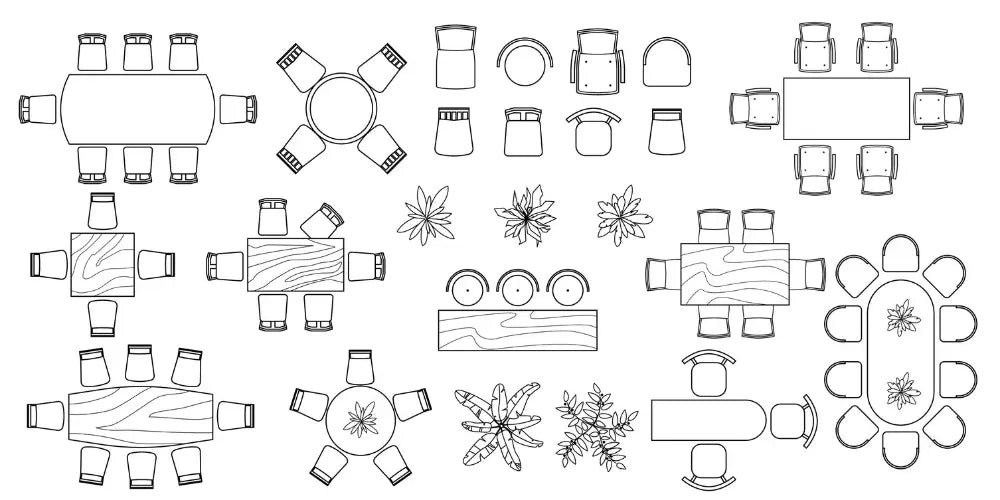
The layout of the table also plays an important role. For a round table, it is advisable to alternate couples with single guests for a balanced distribution. For a rectangular table, consider seating couples at the ends to create a pleasant linear dynamic.
Finally, the reality check
Once you have drawn up your plan, run through the evening in your head. Imagine the interactions, the conversations, the comings and goings. This will help you spot any potential problems and make the necessary adjustments.
By following these tips, you can create a seating plan that not only respects the couples' privacy and comfort but also contributes to a warm and welcoming atmosphere for all your guests.
II. Which software should you use for your seating plan?

The digital age has simplified many tasks, including creating seating plans. Choosing the right software is crucial to turning this complex task into a smooth and enjoyable process.
Choosing the right software
There is a multitude of software packages dedicated to table planning, each with its own features. Some are simple and intuitive, perfect for small events or for those who prefer a straightforward approach. Others offer advanced features such as guest list management, 3D visualisation, and even synchronisation with other event planning tools. Before choosing, determine your specific needs: the size of the event, the level of detail you want, and how familiar you are with digital tools.
Key features
Look for features that will simplify your planning. The ability to drag and drop names onto tables, adjust table sizes and shapes, and add special notes for each guest can be extremely useful. Some software also offers options for managing special diets and relationships between guests, and even for seating them according to their interests or professions.
Collaboration and sharing
Good software should make collaboration easy. If you work with a team, or if you want to share the plan with the caterer, the DJ or the hosts, look for an app that makes sharing and real-time updates simple.
Practical use and trials
Take the time to explore a few options and make the most of free trial versions. This will give you an idea of the user interface and how easy it is to use. Good software should save you time, not cost you more.
III. How to seat your guests
Seating guests is an art that combines tact and strategy. The aim is to create an environment that encourages pleasant exchanges and meaningful encounters.
Know your guests
The key to good seating is to know your guests well. Consider their age, interests, professions and relationships with one another. Seating people with common interests side by side can spark stimulating conversations. Pay attention to group dynamics and avoid seating people who are likely to argue in close proximity.
Diversity and balance
A good seating plan blends the different groups of guests harmoniously. This encourages a variety of conversations and gives everyone the chance to meet new people. For formal events, a balance of men and women at each table can also be important.
Guests of honour
If your event has guests of honour, seat them so that they are visible and accessible. At a wedding, for example, the newlyweds should be placed so that all the guests can see them easily.
Flexibility and adaptability
Even with a well-thought-out plan, be ready to make last-minute adjustments. Guests may cancel, or new people may be added unexpectedly. A good seating plan is one that can adapt easily to these changes.
By following these tips, you will be able to seat your guests so as to foster a warm and engaging atmosphere, turning your event into a memorable experience for everyone.
IV. Who should sit at the head of the table?
The head of the table, often seen as a position of prestige, plays a key role in organising an event. Deciding who to seat there calls for a subtle understanding of protocol and of the importance of the guests.
Prestige and protocol
Traditionally, the places of honour at the head of the table are reserved for the hosts or distinguished guests. In a formal setting, such as a business dinner or a wedding, these positions are often given to the most important or respected figures, such as CEOs, elderly family members or the newlyweds. The visibility and easy access of these seats allow these guests to lead the conversation and interact easily with the other diners.
Adapting protocol to the event
However, protocol can vary according to the type and tone of the event. In a more relaxed setting, these seats can be used to put the spotlight on guests who might otherwise feel left out, such as new members of a group or guests who have travelled a long way. This approach can help create a more inclusive and welcoming atmosphere.
The symbolism of the position
The position at the head of the table should not be seen only as a sign of prestige, but also as an opportunity to lead the conversation and set the mood. The person in this seat can have considerable influence over how the event unfolds, by making introductions and ensuring that all guests feel included and valued.
V. Creating an atmosphere with table decoration

Table decoration is a crucial aspect that completes and enriches the seating plan. It does not merely beautify the space; it also plays an important role in creating the atmosphere of the event.
Choosing a theme and staying consistent
The decoration should reflect the theme of the event or the style of the interior. Whether it is an elegant wedding, a formal business dinner or a relaxed family gathering, every element of the decoration, from tablecloths to centrepieces, should be in harmony with the atmosphere you want.
Enhancing the guest experience
The decoration should also serve to improve the guest experience. Well-chosen elements can become talking points, encourage interaction between diners, and even add to their comfort. For example, candles can create an intimate and warm atmosphere, while floral arrangements can add a touch of freshness and elegance.
Attention to detail
Small details can make a big difference. Personalised place cards, elegantly designed menus and unique decorative touches can turn a simple table into a memorable experience. However, it is important not to clutter the table, so as to leave enough space to eat comfortably and for guests to see and talk to each other without obstruction.
By incorporating these elements into your seating plan, you will create not only an aesthetically pleasing setting but also an atmosphere that perfectly complements the arrangement of your guests, making every event unique and unforgettable.