How to serve and clear at the table?
Welcome to the refined world of table service, where every detail counts in turning a simple meal into a moment of pure aesthetic and culinary pleasure. In this article, we will explore together the subtleties of the art of serving and clearing at the table, as on our black tables, an essential skill for any host or hostess wishing to offer a memorable dining experience.
Elegance at the table is not limited to the presentation of dishes; it also covers the way they are served and cleared, the interactions between guests, and respect for the conventions that make a meal harmonious and enjoyable for everyone. Every gesture, every choice, from the first guest served to the arrangement of the last piece of cutlery, helps create an atmosphere where conviviality and refinement go side by side.
Over the course of this article, we will cover key points that will make you a master of the art of entertaining. We will begin with service protocol (who to serve first, how to place food on the table, the faux pas to avoid, the ideal moment to clear, and the placing of bread), all elements that, once mastered, will guarantee the success of your meals.
The aim? That you, dear readers, finish this article not only informed about the nuances of table service but also inspired and ready to put these tips into practice to dazzle your guests at your next dinner. So, without further ado, let us get to the heart of the matter.
1. Who is served first at the table?
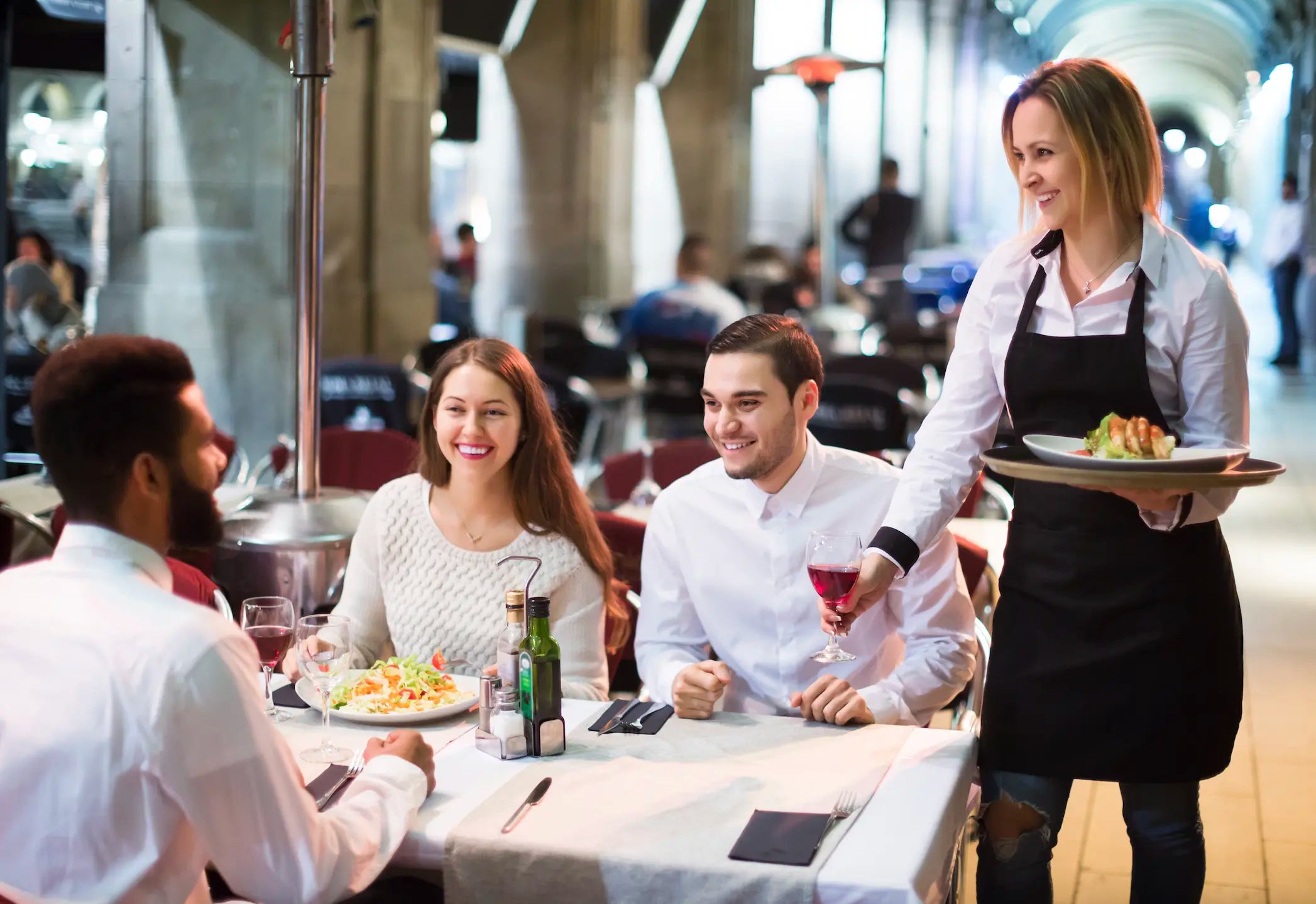
Table service is a subtle choreography that begins as soon as the guests arrive, as at our round tables. The first rule of this art is courtesy, embodied in the choice of the person who will be served first. This gesture, seemingly simple, is loaded with meaning and varies according to culture, tradition and even the circumstances of the meal.
In a formal setting, protocol dictates that you begin with the guest of honour. This choice can be influenced by several factors: age, sex, social rank or relationship with the host. Traditionally, in many cultures, it is customary to serve the ladies first, beginning with the eldest or most distinguished, before moving on to the men, following the same criterion. This order of service shows respect for the guests and helps create a warm and respectful atmosphere.

In a more relaxed or family setting, however, these rules can be adapted. It is not unusual to see children served first, so as to settle them comfortably and let them start eating. This gesture, as well as being practical, reflects a kindly attention to the youngest and can help keep the peace around the table.
Whatever order is chosen, the important thing is to do it smoothly and naturally. The host or hostess must make sure the service runs without interruption or awkwardness. Every guest should feel considered and valued, which calls for particular attention to the dynamics of the group and to individual needs.
Table service is also an opportunity to show your mastery of the rules of good manners. For example, it is courteous to offer dishes clockwise, making sure every guest has easy access to the different foods. In addition, the correct use of serving utensils, the proper positioning of dishes and the pace at which they are presented play a crucial part in the smoothness and elegance of the service.
During service, it is essential to keep up discreet but effective communication with the guests. An attentive host will know how to discern the preferences and dietary restrictions of their guests, offering them a personalised and considerate experience. This ability to anticipate and adapt is not only the mark of good service but also of exceptional hospitality.
In short, serving at the table is much more than a mere formality; it is an expression of hospitality, a way of creating a bond between guests and ensuring everyone's comfort. It is a delicate dance between tradition and personalisation, where every gesture and every decision helps weave the overall experience of the meal. So the next time you are about to serve, remember that every choice, from the order of service to the way a dish is presented, is an opportunity to make your table a warm and memorable place of welcome.
2. How to place food on the table?
The arrangement of food on the table is a crucial aspect that can turn an ordinary meal into an extraordinary experience. This task, although it seems simple, requires particular attention to detail and an understanding of your guests' needs.
It all begins with the choice of tableware. Choose dishes that are not only beautiful but also functional and suited to what you are serving. For example, a deep dish for soups or stews, a flat plate for meat and vegetables. The presentation should be careful and invite people to taste. Colours, textures and even the temperature of the dishes contribute to the tasting experience.
The arrangement of dishes on the table should allow food to pass smoothly and easily between guests. Main dishes are generally placed in the centre of the table, within everyone's reach. Side dishes are arranged around them, to create a visual and practical balance. If space allows, you can also place some dishes on stands or raised trays to add dimension and make them easier to reach.
Sauces and seasonings, for their part, should be spread strategically across the table to avoid crowding and the endless passing of dishes. Place them in small, elegant containers, with the appropriate spoons or sauce boats, so that each guest can help themselves without difficulty.

It is also important to consider how easy the utensils are to use. Make sure each dish comes with the right serving cutlery, so that your guests do not have to wonder how to go about it. For example, a pie server for quiches, a ladle for soups, or tongs for salads.
Finally, the last touch is lighting and decoration. Soft light and candles can create a warm and welcoming atmosphere. Fresh flowers or seasonal decorations can add extra charm. However, make sure these decorations do not block the view or access to the dishes.
3. What should you not do at the table?
Table etiquette is a set of behaviours that contribute to a pleasant dining experience for everyone. Certain gestures or habits, though harmless, can disturb the harmony of the meal and are best avoided.
First, avoid talking with your mouth full. It may seem obvious, but it is a basic rule of table manners. Not only can it be seen as impolite, it can also present a choking risk.
Next, pay attention to how you use your cutlery. Do not hold it like gardening tools, but with finesse and delicacy. Likewise, once you have started to use a utensil, avoid putting it down on the tablecloth. Use your plate or the rest provided for the purpose instead.
It is also frowned upon to help yourself too greedily. Even if a dish looks particularly appetising, remember that you are sharing the meal with other people. Take reasonable amounts and make sure everyone has had the chance to taste each dish before you take a second helping.

Also avoid criticising the dishes or the way the meal is organised. Even if something is not to your taste, keep your impressions to yourself or express them constructively and discreetly.
Finally, using a mobile phone at the table is generally considered impolite. It can distract and interrupt conversations, creating a barrier between you and the other guests. Except in an emergency, keep your phone on silent and out of sight.
Respecting these rules is not only a matter of good manners, it is also a way of showing respect for the person who prepared the meal and for your companions at the table. Good behaviour at the table encourages a relaxed and convivial atmosphere, where every guest can feel at ease and appreciated.
4. When to clear the table?
Clearing the table is just as important as the service itself. The moment you choose to remove plates and dishes can greatly influence the atmosphere and pace of the meal. The key is to find the balance between being attentive and not interrupting the guests.
Begin by watching your guests' signals. Ideally, wait until everyone has finished eating before you start clearing. However, if a guest has finished well before the others, it may be wise to clear their plate so that they do not feel uncomfortable. Do it discreetly, avoiding disturbing the other guests.
When you start to clear, do it methodically. Begin with the plates, followed by the cutlery and glasses used. Make sure to carry several items at once to avoid constant trips back and forth. Use a tray if necessary to carry the crockery and cutlery more efficiently.
It is also important to clear the dishes and bowls used for side dishes. If you plan to serve dessert or coffee, make sure the table is cleared and clean before presenting them.

Also be careful how you handle the crockery and cutlery. Avoid making noise by stacking plates or clinking glasses together. The aim is to keep a pleasant and relaxed atmosphere, even during the clearing process.
Finally, be ready to respond to guests' requests while you clear. Someone may ask for a little more wine or an extra glass of water. Being attentive to these needs while clearing is the sign of an excellent host.
5. Where to place the bread on the table?
Bread is an essential part of many meals, and its placement on the table deserves particular attention. Traditionally, bread is placed to the left of the plate on an individual bread plate, if available. This position allows easy access without cluttering the main space of the plate.
If you serve the bread in a shared basket, place it in a central spot on the table, within reach of all the guests. Make sure to provide bread tongs or a clean napkin so that guests can help themselves without having to touch the other slices.
When you set out the bread, also think about accompanying it with butter or olive oil. Place these condiments near the bread basket, ideally in small ramekins with a butter knife or a spoon for the olive oil.
It is also important to consider the type of bread served. If you offer different types of bread (such as white bread, wholemeal bread or individual rolls), think about arranging them so that each guest can choose according to their preferences.
Finally, make sure the bread is fresh and of good quality. Good bread can make all the difference to your guests' culinary experience, and its careful presentation adds to the elegance of the table.
By following these tips for placing bread, you guarantee not only functional service but also a delicious and attractive addition to your meal. The careful arrangement of the bread, together with its quality, reflects the attention paid to detail, an essential aspect of the art of entertaining.
6. Basic rules for serving drinks
Serving drinks is an essential part of any successful meal, requiring attention and know-how. Good management of drinks contributes to the relaxed and convivial atmosphere of the table.
First of all, it is important to know your guests' preferences. This may include choices of wine, preferences for non-alcoholic drinks, or dietary restrictions such as allergies. This attention to detail shows care and respect for your guests.
When serving wine, make sure to do it properly. Red wine should be opened in advance so that it can breathe, while white wine and champagne should be served chilled. When pouring wine, hold the bottle by the base and serve from the guest's right-hand side, avoiding twisting the bottle so as not to let any drops fall.

For water, whether still or sparkling, it is advisable to serve it from the left-hand side. Make sure every guest has a glass of water, topped up regularly throughout the meal.
As for cocktails or aperitifs, serve them before the meal. This can be an excellent way to start the meal and give your guests something to enjoy while waiting for the meal to begin.
Finally, be attentive to the pace of the meal and adjust the serving of drinks accordingly. For example, if you are serving dessert, you can offer a sweet wine or a digestif. This marks a pleasant transition towards the end of the meal and adds a refined final touch.
7. Tips for an attractive table setting
Setting the table is a fundamental part of the art of entertaining, turning an ordinary meal into an extraordinary experience. A careful, well-thought-out table setting shows off not only the food served but also creates a welcoming and festive atmosphere.
Begin by choosing a high-quality tablecloth and napkins. Colours and patterns should complement the theme of the meal and the decoration. For example, neutral tones and natural textures for a rustic meal, or bright colours and bold patterns for a festive celebration.
Tableware also plays a crucial part. Match your plates, glasses and cutlery, making sure they suit the type of meal served. For example, deeper plates for soups or stews, and flat plates for starters and main courses.
Centrepieces, such as bouquets of flowers, candles or works of art, can add a touch of sophistication. However, make sure they are not too tall or bulky, so as not to block the view or the interaction between guests.
Using place cards can also add a personal touch, especially if you are hosting a large number of guests and want to encourage social interaction.
Finally, do not forget the little details that can make a big difference. For example, a small vase with a single flower beside each plate, or a small personalised gift for each guest.
By following these tips, your table will not only be functional but will become a work of art that delights your guests and enriches their dining experience. A well-thought-out table setting reflects your attention to detail and your commitment to offering an unforgettable experience.
By following these tips, you are sure to create an atmosphere that is both elegant and convivial around your table. The key is in the detail and the preparation. Enjoy your meal and your entertaining!