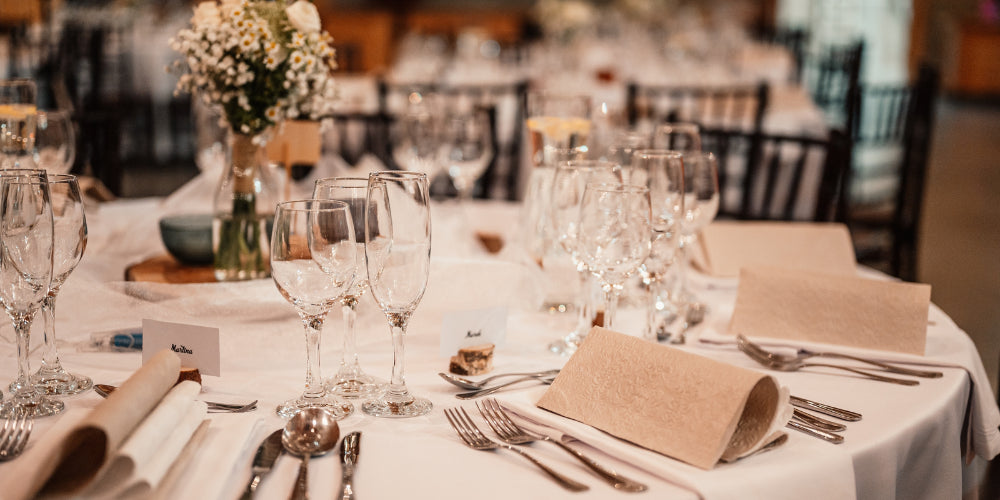
Welcome to the captivating and artistic world of table setting, a practice that goes beyond the simple act of eating to become a true expression of the art of living. Setting a beautiful table is like painting a canvas where every element plays a crucial role in creating a culinary work of art. It is not only a matter of beauty, but also of creating an atmosphere, a moment of sharing and pleasure that will stay in your guests' memory.
Setting a table is a symphony of colours, textures and shapes, carefully orchestrated to delight the senses and elevate the dining experience. Whether it is for a gala dinner, a relaxed brunch or an intimate supper, the way you set your table can turn a simple gathering into a magical and unforgettable moment. It is an opportunity to show your personality, your taste for aesthetics and your attention to detail.
In this article, we will guide you step by step through the different stages of table setting. You will learn how to choose the right elements, harmonise colours and patterns, and place each item with precision and intent. Get ready to discover how to turn your meals into sumptuous celebrations, where every detail helps create a unique and welcoming atmosphere. Show off the yellow tables collection with our tips.
1. The foundation: choosing your tablecloth and placemats

A. Selecting the tablecloth
The tablecloth is the foundation of any successful table setting. It is the first thing your guests will notice and it can set the mood and style of your meal. When selecting a tablecloth, several factors must be taken into account: colour, fabric and style.
- Colour: The colour of your tablecloth can complement the theme of your event or contrast with your tableware to create a striking visual effect. Light, neutral colours such as white, ivory or beige offer a classic and elegant backdrop, while bright colours or patterns can add personality and dynamism to your table.
- Fabric: The choice of fabric depends on the occasion. Luxurious fabrics such as linen or satin are perfect for formal events, while cotton or polyester are more suitable for casual meals. The weight and texture of the fabric also contribute to the overall look of the table.
- Style: A tablecloth can have various finishes: hemmed, lace-trimmed or with embroidered motifs. The style should harmonise with the occasion and the rest of your decor. A tablecloth with delicate details is ideal for an elegant dinner, while a plain tablecloth is better suited to a relaxed atmosphere.
B. Placemats for a modern touch
Placemats are a modern alternative or complement to the traditional tablecloth. They not only protect your table but also add an aesthetic dimension.
- Varied materials: Placemats come in a multitude of materials, from fabric to leather, bamboo and plastic. Each material brings a different texture and mood to your table.
- Designs and patterns: With a wide range of designs and patterns, placemats can be a way of adding a touch of originality to your decor. From geometric patterns for a modern look to floral designs for a romantic touch, there are options for every style.
- Function and style: In addition to their aesthetic appeal, placemats are practical. They mark out each diner's personal space and make cleaning up after the meal easier.
Choosing the tablecloth and placemats is the first step in creating a memorable dining experience. In the next section, we will explore the art of tableware, another essential aspect of table setting, where function meets elegance.
2. The art of tableware: plates, cutlery and glasses

The art of arranging tableware is the heart of table setting, combining function and aesthetics. Each piece, whether a plate, a piece of cutlery or a glass, should be chosen and placed with care to create a harmonious and elegant experience.
A. Arranging the plates
The arrangement of plates is a delicate choreography. Start by placing the main plate in the centre of the space allotted to each diner. This plate can be topped with a salad plate or a soup plate, depending on the menu. Choosing plates that reflect the theme of your meal can add a personal touch: colourful patterns for a festive evening, or understated tones for an elegant dinner.
B. Arranging the cutlery
Cutlery is placed around the plate in the order of use, from the outside in. To the left of the plate, place the forks in the order they will be used. On the right, lay the knives with the blade turned towards the plate, along with the spoons if necessary. Following this arrangement is not only a matter of tradition, but also of practicality for diners.
C. Choosing and placing glasses
The choice of glasses should match the drinks served. Arrange them at the top right of the main plate, starting with the water glass, followed by the red wine glass, then the white wine glass. The alignment and height of the glasses play an aesthetic and functional role, creating a beautiful visual line while remaining easy to reach.
3. The little details that make the difference: napkins and decorations
Details such as napkins and decorations are the finishing touches that can turn a simple meal into an extraordinary experience. These elements bring colour, texture and personality to your table.
A. Napkin folding
Napkin folding is an art form in itself, offering an opportunity to express your creativity. Whether you opt for a simple, elegant fold or a more complex, themed shape, well-folded napkins add a touch of refinement. They can be placed on the plate or beside the cutlery, depending on the available space and the style of your table.
B. Decorative elements
Decorative elements such as candles, flowers or centrepieces should complement your table, not crowd it. Choose decorations that match the theme and colour palette of your table. Candles create a warm and intimate atmosphere, while floral arrangements bring freshness and elegance. Make sure these elements are not too tall, so they do not block the view and the conversation between diners.
These details, although small, play a crucial role in your table setting as a whole. They reflect your attention to detail and your dedication to creating a memorable experience for your guests. In the next sections, we will explore how lighting and music can complete the atmosphere of your table, as well as ideas for adapting your table setting to different themes and occasions.
4. Creating an atmosphere with lighting and music

Once the table is beautifully set, the overall atmosphere of the dining room becomes crucially important. Lighting and music play key roles in creating an atmosphere that complements the table decor and enriches the dining experience.
A. The ideal lighting
The lighting should be adapted to the time of day and the type of event. For dinner, soft, subdued light creates an intimate and warm atmosphere, inviting diners to relax and savour their meal. Candles or table lamps with shades can add a touch of romance, while dimmable lights let you control the intensity according to the atmosphere you want. It is important that the lighting is bright enough for diners to see what they are eating, but soft enough to maintain a comfortable and welcoming atmosphere.
B. Background music
Music should complement the atmosphere of the dining room without dominating it. A moderate volume lets diners enjoy the music while holding a comfortable conversation. The choice of tracks should reflect the theme of the evening and the style of the table. For example, soft jazz or classical music may suit a formal dinner, while a lighter, contemporary playlist would be ideal for a brunch or a relaxed meal. Music is a subtle but powerful element that can enhance the dining experience and turn a meal into a real event.
5. Table setting by theme and occasion
Table setting can and should be adapted to the occasion, the theme and the season. This flexibility lets you create unique, personalised experiences for each event.
A. Themed tables
For a themed dinner, every element of the table should reflect the chosen theme. For example, for a marine theme, shades of blue and sand, shells and nautical decorative items can be incorporated. For a Christmas dinner, red and gold colours, scented candles and festive decorations create a warm and joyful atmosphere. The idea is to immerse your guests in an experience through the setting of your table.
B. Adapting the setting to the occasion
Table setting differs depending on whether it is a formal dinner, a casual lunch or a special occasion. For formal events, precision in the arrangement of cutlery and the quality of the materials are paramount. For more casual occasions, you can opt for a freer, more playful style, experimenting with colours and patterns. It is also worth adapting the table to the seasons, using seasonal flowers and appropriate colour palettes.
In summary, the art of setting a table is a harmonious combination of aesthetic and practical choices, creativity and attention to detail. Whether you are preparing a formal dinner or a relaxed outdoor meal, every element of your table helps create an unforgettable experience for your guests. With these tips and techniques, you are now ready to turn your meals into moments of celebration and sharing.