

Interior design has always been about creativity, innovation and personalisation. But among current trends, one stands out for its accessibility and its ability to turn ordinary materials into extraordinary pieces: pallet furniture. If you enjoy DIY, or are simply looking for an affordable way to add a unique touch to your space, this article is for you. We are going to explore how to make an elegant coffee table that is also practical, using two pallets.
Why this subject? Because making furniture from pallets is not only eco-friendly but also extremely rewarding. It is also an excellent way to save money while personalising your home to your taste. Ready to take up the challenge? Then get ready to find out how to choose the right materials, prepare your pallets, assemble your coffee table, personalise it and look after it so that it stays beautiful for a long time.
In this article, we will guide you step by step through this exciting project. We will also share tips for giving your table a truly unique look. So let us begin our journey into the world of DIY (Do It Yourself) without further ado!
1. Choosing the materials

How do you choose your pallets?
To begin this DIY project, the first thing is to choose the right pallets. They must be sturdy and in good condition. For reasons of durability and environmental responsibility, it is also best to choose untreated solid wood pallets.
A tip for recognising untreated pallets: look for the "HT" (Heat Treated) marking, which shows that the pallet has been treated with heat rather than chemicals. Avoid pallets marked "MB" (Methyl Bromide), as they have been treated with a harmful pesticide.
What other materials will you need?
In addition to the two pallets, you will need sandpaper to sand the wood, screws to join the pallets, castors if you want to make your table mobile, and a varnish or paint for the finish. If you want to add a personal touch to your coffee table, think about decorative elements such as stencils or stickers.
Where can you find these materials?
Pallets are generally available from local recycling centres, building sites or even some large stores. For the rest of the materials needed for this DIY project (screws and fixings, sandpaper, varnish and so on), you can go to a local hardware shop or buy online from a specialist site.
Now that we have covered the crucial step of choosing materials for our DIY pallet coffee table, it is time to turn to preparing the pallets. Stay with us and find out how to turn these pieces of wood into a centrepiece for your living room!
And if you are curious to discover more designs and ideas for your home, do not hesitate to sign up to our newsletter. You will regularly receive inspiration and tips straight to your inbox.
2. Preparing the pallets
Turning a raw pallet into an elegant coffee table begins with careful preparation. It is a process that, although simple, calls for patience and attention to detail.How do you clean and prepare the pallets?
First of all, it is essential to clean your pallets. Use a wire brush to remove dirt and any paint residue. Then, washing with soapy water will help to remove any trace of grease or oil. Do not forget to dry your pallets thoroughly before moving on to the next step.Why is it important to sand the pallets?
Sanding is a crucial step in preparing the pallets. Not only will it make the wood smoother to the touch, it will also remove roughness and give an even surface for applying varnish or paint. Sanding will also reveal the natural beauty of the wood grain, adding a touch of rustic elegance to your future coffee table.Which tools should you use for this step?
For this step, you will need an electric or hand sander and sandpaper in different grits (coarse to start, fine to finish). A dust mask and safety goggles are also recommended for your safety. In short, preparing the pallets is an essential step that takes time and attention. But it is also an opportunity to show off the unique character of each pallet, with its imperfections and distinctive grain. Now that your pallets are ready, let us move on to the next step: assembly.3. Assembling the coffee table
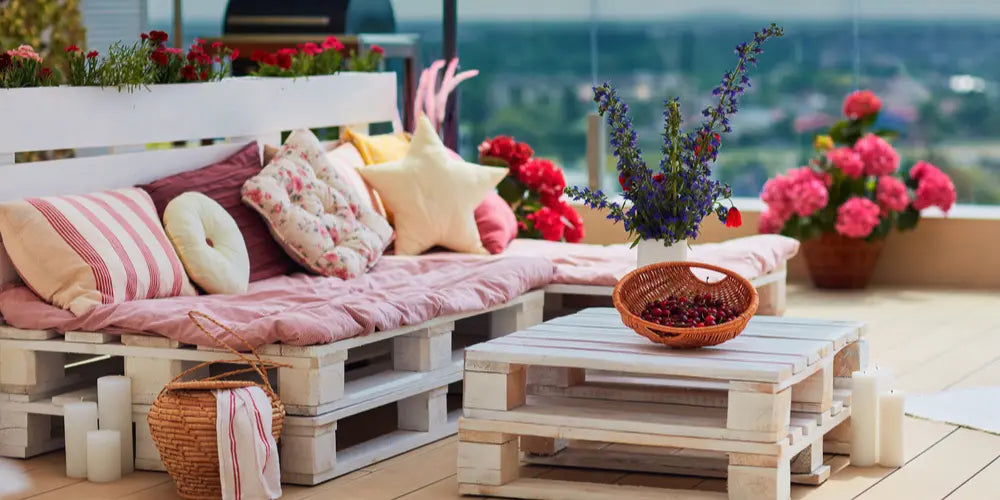
Assembling your coffee table is an exciting step, where you will start to see your project take shape.
How do you join the pallets to create the base structure?
To begin, lay one pallet on the floor, top side down. Then place the second pallet on top, top side up. Use wood screws to fix the two pallets together at the four corners.What is the best way to ensure the stability of the table?
For optimum stability, consider adding braces to the inside corners of your table. You can also add legs to your coffee table for extra height and a more finished look.What are the key points to check during assembly?
When you assemble your coffee table, make sure all the screws are tight and the structure is stable. Also make sure all the edges are aligned and the surface is flat. With these tips in mind, you are now ready for the next step: personalisation and finishes. But remember, the key is to take your time and enjoy the process. After all, it is your own unique creation coming to life.4. Personalisation and finishes
One of the joys of working with pallets is the freedom of personalisation they offer. You can turn these raw materials into a unique piece that reflects your style and fits perfectly into your space.How do you personalise your pallet coffee table?
The first step in personalising is choosing the colour. Raw wood can bring a rustic look, while a bright or pastel paint will give a more contemporary feel. Techniques such as distressing the wood can also add character to your coffee table. Remember that details make all the difference. Add vintage handles for a retro look, or industrial wheels for a more modern edge. Why not add a lower shelf for extra storage, or even a glass top to protect the wood while showing off its grain?Which finishes should you apply to protect the wood and improve its appearance?
Once you have personalised your table, it is essential to apply a protective finish. Varnish is ideal for bringing out the natural beauty of the wood while protecting it from water and scratches. Beeswax can also be used to nourish the wood and give it a soft, satin look. For those who prefer a more raw look, linseed oil is an excellent natural choice that moisturises the wood without changing its natural appearance.Tips for adding a unique touch to your table.
To make your pallet coffee table truly unique, let your creativity run free. Add LED lighting under the table for a cosy atmosphere, or use stencils to paint a pattern on top. You can even stick photos or pictures under the glass for an extra personal touch.5. Care tips
Once you have invested time and energy in making your pallet coffee table, it is important to look after it so that it can enhance your space for many years.How do you look after your new pallet coffee table?
Regular care of your pallet coffee table is fairly simple. To clean the surface, use a soft cloth lightly dampened with lukewarm water and mild soap. Avoid harsh chemicals, which can damage the wood.What type of products should you use for cleaning and regular care?
To keep the wood in good condition, regularly apply a coat of wax or oil, depending on the finish you have chosen. This nourishes the wood and helps prevent cracks caused by drying out.Tips for making your homemade furniture last.
Protect your table from direct sunlight, which can fade the wood, and avoid placing hot objects directly on the surface. If your table has wheels, check regularly that they are tight to keep the table stable. By looking after your pallet coffee table, you will have not only a unique piece that enhances your decor, but also a durable piece of furniture that will stand the test of time.In exploring the art of making a coffee table from two pallets, we have travelled to the heart of design and interior decoration. We have discovered how, with simple materials and a dose of ingenuity, we can bring to life a unique, personalised piece of furniture.
Every stage of the process, from choosing the materials and preparing the pallets to assembling the table, personalising it and finally looking after it, is an invitation to express your creativity while bringing a touch of originality to your space. This DIY journey is not only an affordable way to get a new piece of furniture, but also a rewarding way to learn and develop your DIY skills.
We strongly encourage you to dive into this creative adventure. And why not start by exploring our collection of coffee tables at Verano Design? You will certainly find inspiration there for your next project. And if you are already a fan of outdoor furniture, our special "Outdoor dining tables" collection may well catch your interest.
Beyond making a pallet coffee table, we hope this article has opened your eyes to the endless possibilities offered by designer furniture. Future trends promise even more innovation and creativity in this fascinating field.
And do share your experiences! Whether you have questions, ideas or simply want to show off your new creation, we would love to hear from you. Share your stories on social media or leave a comment below. After all, the beauty of design lies in sharing and exchanging ideas.
In conclusion, whether it is to give pallets a second life or to redecorate your indoor or outdoor space, every project is an opportunity to learn and grow. So hesitate no longer and get started on making your own pallet coffee table!