
Introduction
In the vast world of interior and exterior design, the choice of furniture plays a decisive part in setting the mood and aesthetic of a space. Among the many materials available, ceramic stands out for its timeless charm and its robustness. But how can this age-old material be turned into an elegant, functional piece of furniture? That is precisely what we will explore in this article: how to make a ceramic table.
The idea may seem daunting at first, but with a little patience, clear instructions and the right tools, you can create a one-of-a-kind work of art that will bring a sophisticated touch to your home or garden. Ready to take up the challenge? Then let's dive into the fascinating world of ceramics.
1. The appeal of ceramic furniture

Durability: a major asset
Ceramic is known for its exceptional strength. Resistant to scratches, stains and even extreme temperatures, ceramic furniture is ideal for anyone looking for durable pieces that will stand the test of time. Moreover, unlike wood or metal, ceramic does not warp or rust, which makes it an excellent choice for outdoor spaces.
Aesthetics and versatility
Beyond its robustness, ceramic appeals through its looks. Whether you prefer a rustic, modern or traditional style, there is an endless range of ceramic designs to suit every taste. What is more, ceramic can be painted, glazed or textured to create unique visual effects. Every ceramic table is therefore a work of art in its own right.
Easy maintenance
Finally, ceramic furniture is incredibly easy to look after. A quick wipe with a sponge is usually enough to clean off stains. And unlike wood, which needs regular varnishing, ceramic requires no special upkeep to keep its brand-new look.
To sum up, ceramic furniture combines durability, good looks and easy maintenance. But how do you get from the idea to the finished piece? That is what we will see in the next section, where we will guide you step by step through the process of making a ceramic table.
Continue reading with our detailed guide to the process of making a ceramic table.2. The process of making a ceramic table

Choosing the design
Before you start, it is essential to define the design you want for your table. What shape will it be? What dimensions? What kind of finish do you want? These are all questions to ask yourself before getting going. Make sketches, use 3D software if necessary and do not hesitate to look for inspiration online or in specialist magazines.Selecting and preparing the ceramic
Once the design is settled, you need to choose the type of ceramic you will use. There is a wide range of varieties with different properties: porcelain, stoneware, earthenware and so on. Take into account their strength, their natural colour and the texture they offer. Once you have made your choice, prepare the ceramic by kneading it to remove any air bubbles that could cause cracks during firing.Shaping the tabletop
Next comes the shaping of the tabletop. This is a crucial moment where every movement counts. Use a wheel or a slab to form your tabletop according to the chosen design. Then leave it to dry for several days.Firing and finishing
Once the tabletop is completely dry, it is time to fire it. This stage is usually done in two parts: a first firing known as the "bisque firing", then a second one after the glaze is applied for the finish. It is important to respect the recommended temperatures and firing times for each type of ceramic. And there you have it: you now have all the keys to create your own ceramic table. Remember that each piece is unique and reflects your personality and creativity.3. Care and DIY repairs: getting the most from your ceramic table
Now that you have made your ceramic table, it is essential to look after it to ensure it lasts.Regular care
Ceramic is a relatively easy material to care for. It resists stains and heat well. For everyday cleaning, a quick wipe with a damp sponge is enough. Avoid abrasive products, however, as they may scratch the surface.Repairing any damage
Despite its strength, ceramic can sometimes crack or chip. Do not panic: there are specific repair kits that fill in these flaws. Make sure you choose a product that suits the colour and type of your ceramic.Protection from the weather
If your ceramic table is intended for outdoor use, we recommend protecting it from the weather with a waterproof cover. In winter, it is best to store it indoors to avoid thermal shock, which could make it crack. By following these care and DIY tips, you will be able to enjoy your ceramic table for many years. In the next part, we will look at how to blend this unique piece harmoniously into your indoor or outdoor décor.4. Fitting your new table into your indoor or outdoor décor
Ceramic, with its varied palette of colours and textures, offers a wealth of options for furnishing your spaces. It is a versatile material that suits almost every decorating style. So how do you fit your new ceramic table into your existing space?Contemporary style
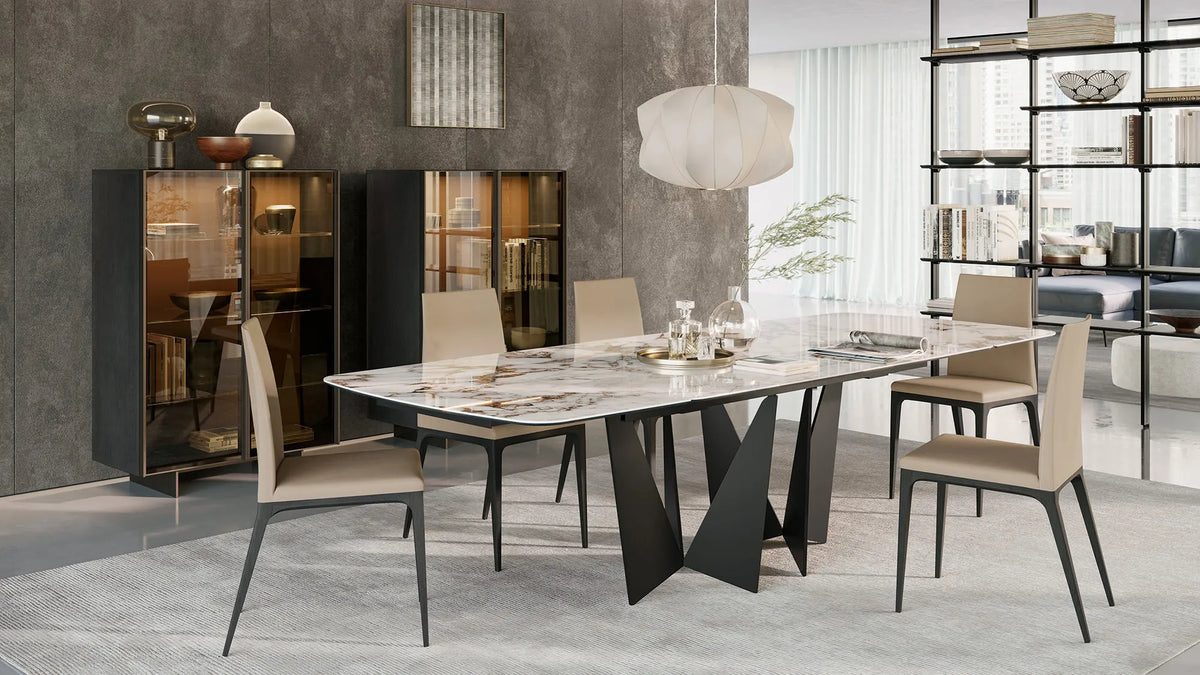
If you favour a contemporary style, choose a ceramic table with clean lines and neutral colours such as white, black or grey. To emphasise the modern look, pair it with metal or leather chairs.Rustic style
For a rustic or country style, choose a ceramic table with floral or geometric patterns. Team it with wooden chairs to reinforce the warm atmosphere.Bohemian style
Bohemian style is all about freedom and originality. Let your imagination run free and choose a ceramic table with colourful, exotic patterns. Pair it with mismatched chairs for a relaxed, welcoming effect.Outdoor spaces
For your terrace or garden, a ceramic table is ideal thanks to its weather resistance. Choose bright colours that stand up to the sun and pair it with wrought iron or rattan chairs for a natural look. The key is to create harmony between your ceramic table and the rest of your décor. Do not hesitate to add accessories such as cushions, rugs or plants to complete the look.5. Where to find the best materials and tools for your project
Now that you have a clear idea of the ceramic table you want to make, it is time to gather the materials and tools you need.Materials
The quality of the ceramic is essential to the success of your project. You can find good-quality ceramic in art and craft shops or on specialist sites such as Ceradel or Sial. Favour a ceramic that withstands heat and bad weather well, especially if you plan to use your table outdoors.Tools
To shape and decorate your table, you will need a range of tools: rolling pin, modelling tools, spatulas and so on. These tools are available in art and craft shops or online. The Kemper Tools brand offers a full range of ceramics tools, known for their durability and precision.Supplier
If you would rather buy a complete kit with all the materials and tools you need, turn to specialist suppliers such as Pottery Supply House or Sheffield Pottery. Finally, do not forget protective equipment: gloves, goggles and an apron are essential for working with ceramic safely. In short, making a ceramic table is an exciting project that calls for creativity, know-how and quality materials. But the result is worth it: you will end up with a unique piece that adds a touch of originality to your indoor or outdoor décor. So, ready to get started?In conclusion, making a ceramic table is an exciting and rewarding undertaking. We have explored the different facets of the process, from the unique appeal of ceramic furniture, through the detailed making process, to the care of your new centrepiece and how it fits into your living space.
Every step has underlined the importance of choosing quality materials, using the right tools and techniques and, above all, putting your heart and soul into it. A ceramic table is not just a functional piece of furniture, it is a work of art that reflects your personality and transforms your space.
Now that you are armed with this valuable knowledge, we encourage you to embark on this creative adventure. Browse our collection at Verano Design to find inspiration among our exclusive coffee tables and dining tables. Do share your projects with us on our social networks, as we love to see how our readers transform their spaces!
In the near future, keep an eye out for emerging trends in the world of designer furniture. Ceramic will undoubtedly continue to play a key role thanks to its durability and versatility. Who knows? Perhaps the next big trend will be inspired by your own creations!
Finally, do not hesitate to share your experiences, ideas or questions in the comments. We are a community of people passionate about interior and exterior design, and your contribution enriches our collective understanding. So, are you ready to create your own ceramic table?