
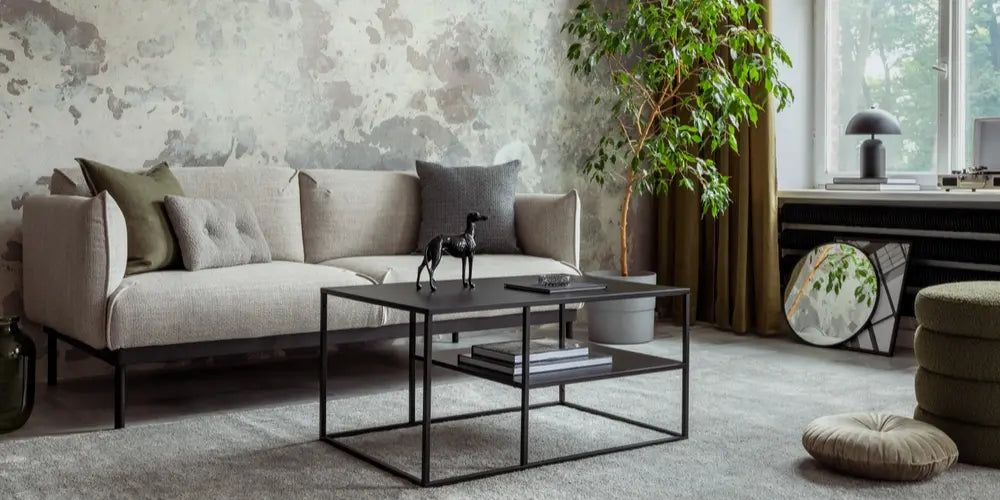
Furniture is the soul of any space, indoors or out. It gives a room character, turns it into a comfortable and welcoming place and tells a story about the people who live or work there. One of the key pieces of furniture is the coffee table, a humble but essential object that can radically change the atmosphere of a space.
Picture yourself sitting in your living room, a cup of coffee in hand, resting on a beautiful iron coffee table. The gleaming metal adds a touch of industrial elegance to your space, while the minimalist design shows off your refined taste. This is the kind of scene we want to help you achieve with this detailed guide on how to make an iron coffee table.
In this article, we will explore why the choice of materials matters for your coffee table, why iron is an excellent choice and how to choose the right design for your room. So, without further ado, let's begin our journey into the fascinating world of iron coffee tables.
1. Why the choice of materials matters for your coffee table

An overview of the different materials used for coffee tables
When it comes to coffee tables, there is a whole range of materials to choose from: solid wood, toughened glass, plastic, stainless steel and, of course, iron. Each material has its own advantages and drawbacks, its own aesthetic charm and its own feel. The material you choose can define not only the look of your coffee table, but also its durability, its upkeep and even its environmental impact.
The specific advantages of iron as a material for a coffee table
Iron is a popular choice for designer metal coffee tables because of its sturdiness and durability. Unlike wood, which can crack, or glass, which can break, an iron coffee table will stand the test of time. What is more, iron is easy to look after: a quick wipe with a cloth is enough to keep it clean.
But the real beauty of iron lies in its design potential. With the right finish, iron can look sleek and modern or rustic and vintage. It suits every interior style, whether industrial, minimalist or boho-chic. You just have to choose.
Now that you are convinced of the advantages of iron as a material for your coffee table, it is time to look at an equally important aspect: the design. Which style suits your space? Which shape will work best with your other furniture? How can you customise your iron coffee table so that it is truly one of a kind? Stay with us to find the answers to all these questions in the next part of this article.
Are you ready to find out more about the fascinating world of iron coffee tables? Don't miss our next article, where we will explore different designs and how to choose the one that best suits your space. Sign up to our newsletter so you don't miss a thing.
2. The design of your iron coffee table: a matter of taste and harmony
Choosing the design of your iron coffee table is a crucial decision that calls for careful thought. After all, this centrepiece will help define the atmosphere and character of your space.
There is an impressive range of styles available for iron coffee tables, from minimalist designs to more elaborate, artistic creations. For example, a wrought iron coffee table decorated with floral motifs can bring a romantic touch to a living room, while a more industrial design with clean, geometric lines can blend perfectly into a contemporary decor.
But how do you choose a design that fits harmoniously into your space? First, it is important to assess the existing style of your indoor or outdoor layout. Is it rather modern, traditional, rustic or eclectic? Once you have identified that dominant style, you can start looking for iron coffee tables that complement those features.
However, do not forget that function is just as important as looks. Make sure the size and shape of the coffee table suit the space available and that it meets your practical needs. For example, if you like to have guests round for film nights or board games, opt for a table with enough room for snacks and drinks.
In short, the design of your iron coffee table should be a harmonious marriage of style and function, reflecting your personal taste while meeting your everyday needs. And now that we have explored the design side, let's move on to the practical part: what tools do you need to make an iron coffee table?
3. The tools needed to make an iron coffee table

Making an iron coffee table may seem daunting at first, but with the right tools and a little patience, it is a perfectly achievable project. Here is a detailed list of the tools you will need:
- Blowtorch or welding set: These tools will let you cut and weld the iron.
- Hammer and chisel: Useful for working the metal and shaping it as you wish.
- Sander: To smooth sharp edges and prepare the metal before applying the finish.
- Tape measure: Essential for taking accurate measurements.
- Safety glasses, heat-resistant gloves and a protective apron: It is crucial to protect yourself when working with hot metal.
These tools make up the essential equipment for making an iron coffee table. Each has a specific role and contributes to the quality of the finished piece. For example, a good blowtorch or welding set will let you make clean cuts and strong welds, while a quality sander will ensure a smooth, professional finish.
Once you have gathered all your tools, it is time to get started. In the next part, we will explore the step-by-step process of making your own iron coffee table.
4. The step-by-step process for making an iron coffee table
The art of making an iron coffee table may seem daunting at first, but with a little patience and the right tools, you can create a distinctive centrepiece for your living space. Here is how to go about it.Step 1: Preparing the materials
It all starts with buying the iron. Choose iron rods or plates depending on the design you have settled on. Don't forget to buy screws and nuts suited to your project as well.Step 2: Drawing up the plan
Draw a detailed plan of your coffee table, keeping to the dimensions you want. This plan will guide you throughout the process.Step 3: Cutting the iron
Following your plan, cut the iron with a hacksaw or a blowtorch, depending on the thickness of the material. Make sure each piece is evenly trimmed to avoid any instability later.Step 4: Assembling the pieces
It is now time to assemble the pieces. Start with the legs, then work gradually up towards the top. Use a spirit level to check that everything is straight.Step 5: Finishing touches
Once the structure is assembled, all that remains is to add the finishing touches. You can paint the iron, add a patina for an aged effect or leave it raw for an industrial look.Step 6: Adding the tabletop
For the tabletop, you can choose from several materials: glass, wood, marble and so on. Make sure it is firmly fixed and stable. And there you have it. You have made your very own iron coffee table. Remember that every creation is one of a kind and reflects your personality and your style.5. Looking after your iron coffee table
Now that you have created your magnificent iron coffee table, it is essential to know how to look after it so that it lasts.Regular cleaning
Regular cleaning is essential to keep your table gleaming. Use a soft, slightly damp cloth to remove dust and any marks.Rust treatment
As iron is prone to rust, you should regularly apply a rust-proofing product over the whole surface of the table. This will help prevent rust from appearing and extend the life of your table.Repairing scratches
If, despite all your care, your table gets scratches or scuffs, don't panic. Simply apply a small amount of paint in the same colour as your table to the damaged areas.Protecting the tabletop
If you have chosen a glass or marble top, it is advisable to use placemats or coasters to avoid scratches and stains. Looking after your iron coffee table doesn't take much effort, but these few simple habits will help keep it looking as good as the day you made it.In exploring the fascinating world of iron coffee tables, we have discovered the importance of choosing the right materials, the variety of designs available, the tools needed to make them and the key steps in the process. We have also covered the care needed to preserve the beauty and durability of these distinctive pieces.
There is no denying that the furniture we choose has a significant impact on our living spaces. A well-chosen piece can transform an ordinary room into a lively and appealing space. The iron coffee table, with its sturdiness and industrial charm, is an option that combines function and looks.
Now that you are armed with in-depth knowledge about making an iron coffee table, why not put your new skills to the test? Verano Design invites you to explore our exclusive collection of coffee tables to find the inspiration you need for your next project.
If you would like to discover other styles or trends in high-end designer furniture, do not hesitate to browse our other articles. We are constantly keeping an eye on the latest innovations in indoor and outdoor design so that we can offer you fresh, stimulating ideas.
Finally, we would love to hear about your experiences of making your own iron coffee table. Share your stories, ask your questions or offer your own tips in the comments below or on our social networks. Together, we can enrich our community with a wealth of perspectives and creative ideas.
In conclusion, making an iron coffee table is more than just a DIY project. It is an exciting journey into the world of design and craftsmanship, where every choice you make and every step you take adds a new layer of personality to your space. So take the plunge and create the iron coffee table that reflects your own style.