
Introduction
There is something deeply satisfying about creating your own furniture. It is a form of art, a way of expressing your personality and style in the spaces we live in. And among all the possibilities for creation, making an MDF table is an exciting project that anyone can take on. Whether you are a seasoned DIY enthusiast or a curious novice, this guide is for you.
Come and discover our MDF tables among our wooden tables!
A table is more than just a functional object. It is the centre of our daily life, the place where we share our meals, where we work, where we play. Choosing the right table can turn an ordinary room into a lively, welcoming space. So why not take matters into your own hands and create the table that perfectly matches your needs and your style?
In this article, we will explore the fascinating world of MDF (Medium Density Fibreboard), an affordable, durable and versatile material that is ideal for making tables. We will also cover the key stages of building an MDF table, from the materials you need to the finishing techniques that let you personalise your creation.
So get ready to dive into the world of DIY! You will discover not only how to make an MDF table but also why this material is so popular with interior designers.
1. Why choose MDF for your table?
What is MDF?
MDF, or medium density fibreboard, is a type of engineered wood. It is made by compressing resinous wood fibres with heat and pressure to create a dense, smooth material. MDF is prized for its surface, which has no knots or grain, making it easy to paint or varnish.
Advantages of MDF
One of the main advantages of MDF is its durability. It does not warp over time like some natural woods, which means your table will stay stable and solid for years. MDF is also generally cheaper than solid wood, making it an affordable option for DIY projects.
MDF is also extremely easy to work with. It can be cut, drilled and sanded without much effort. Its smooth surface takes paint and varnish equally well, giving you a wide range of options for personalising your table.
Environmental considerations
It is also worth noting that MDF is an environmentally friendly choice. Because it is made from recycled or reclaimed wood fibres, using it helps reduce the demand for solid wood and therefore deforestation.
However, always make sure your MDF comes from a responsible, FSC (Forest Stewardship Council) certified source to guarantee that it has been produced sustainably.
To sum up, MDF is a sensible choice for your table thanks to its durability, affordable cost, ease of use and adaptability to different interior design styles. In the next part, we will explore the materials you need to start your MDF table project and how to prepare your workspace.
Discover our selection of FSC certified MDF in our online shop and start your MDF table project today!
Part 2: Materials needed and preparationList of materials
To build an MDF table, you will need the following materials: MDF panels, wood screws, wood glue, sandpaper, and paint or varnish.Tools needed
The tools you will need are: a circular saw or jigsaw to cut the MDF; a screwdriver or electric drill to screw the pieces together; and a brush or roller to apply the paint or varnish.Safety when working with MDF
Working with MDF calls for a few precautions. Always wear a mask and safety goggles when cutting MDF, as it produces a fine dust that can be harmful if inhaled. Also make sure your workspace is well ventilated.Preparing the workspace
Before you start, clean your workspace and organise your tools and materials. This will make the process more efficient and less stressful. Part 3: Detailed steps for building an MDF tableCutting the wood
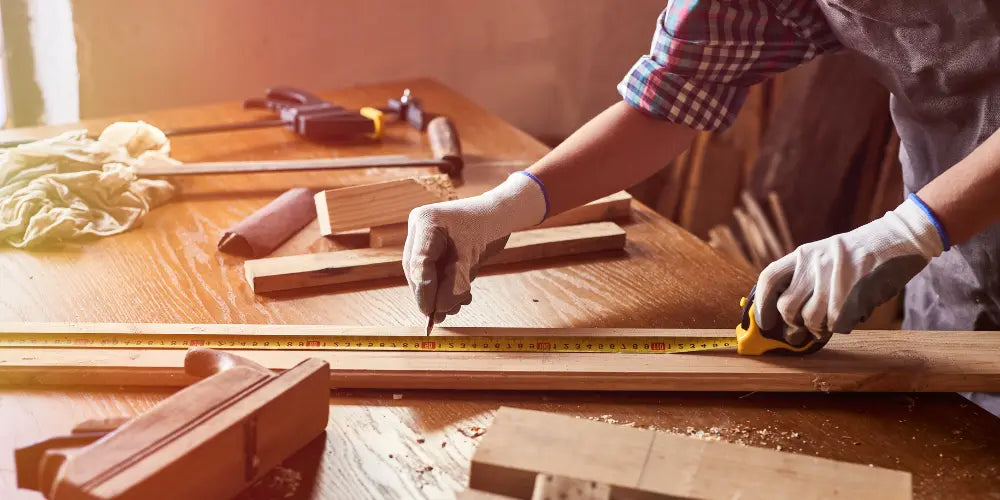
Start by measuring and marking the dimensions you want on your MDF panels. Then use your saw to cut out the pieces. You will need one piece for the top of the table and four more for the legs.Assembly
Once you have all your pieces, start assembling the table. Apply wood glue to the ends of the legs and fix them to the tabletop with wood screws. Make sure everything is properly aligned and leave to dry.Sanding

Painting or varnishing
Finally, apply a coat of paint or varnish to your MDF table. Leave it to dry completely before using your new table! Remember, making your own furniture is not only an economical way of furnishing your home, it is also an exciting project that brings great personal satisfaction. So, ready to build your own MDF table?4. Finishing and personalising your MDF table

Painting and varnishing
MDF is an easy material to paint. For the best result, start by applying a special MDF primer, which will give you a smooth, even surface. Then let your creativity run free! Whether you choose matt or gloss paint, plain or patterned, anything is possible. Do not forget to apply a protective varnish to ensure your table lasts.Adding accessories
To add character to your MDF table, why not include some accessories? From designer legs to decorative ornaments such as vintage handles or carved edges, the options are endless. You can also consider adding storage such as drawers or shelves.Tips for matching your table to your décor
It is important that your new table blends harmoniously into its surroundings. If the room where the table will go already has a defined style, choose colours and accessories that match it. For example, if your décor is industrial, opt for metal legs and grey or black paint.5. Care and durability of your MDF table
Now that you have made your MDF table, it is essential to maintain it to ensure its longevity. Although it is a durable material, MDF needs some specific care.Regular cleaning
To keep your table looking new, clean it regularly with a soft, slightly damp cloth. Avoid harsh chemicals, which can damage the painted or varnished surface.Protection from damp
MDF can swell or warp if it is exposed to damp. It is therefore advisable to avoid placing your table in humid areas and to always use placemats or coasters to protect the surface.Solving common problems
If, despite your precautions, your table shows signs of wear such as scratches or stains, do not worry. For scratches, a little paint can often be enough to hide the flaw. For stubborn stains, a light sanding followed by a fresh coat of paint can restore your table to its original look. By following these care tips, you can ensure the durability of your creation and enjoy your MDF table for many years. And remember: the greatest advantage of DIY is that you can always modify and improve your table over time, according to your needs and your changing tastes!Having explored the art of making an MDF table together, it is clear that choosing this material is not just a question of cost or ease of use. It is also a choice that fits an environmentally friendly approach and offers great creative freedom. From preparing the materials to the personalised finish, every stage of the process shows the importance of detail and of the care we put into our living spaces.
At Verano Design, we understand that every piece of furniture has its own story to tell. Whether you are a beginner at DIY or an expert in interior design, making your own MDF table is a rewarding experience that adds a personal touch to your décor. We hope this guide will help you not only to create your table, but also to appreciate more fully the central role that tables and chairs play in our daily lives.
At Verano Design we encourage you to explore our exclusive collection for inspiration for your next project. Whether you are looking for a minimalist coffee table for your living room or a sturdy outdoor dining table for your meals in the open air, Verano Design offers a variety of styles to meet your needs.
Beyond current trends in interior and exterior design, we are keen to see how traditional techniques will evolve with new technologies and environmental concerns. We remain committed to sharing with you the latest innovations and best practices in the field of designer furniture.
We would also love to hear about your DIY experiences. Do share your creations, your challenges and your tips on our social media platforms. Together we can keep learning, creating and turning our living spaces into reflections of our individuality.
Finally, remember that regular maintenance is essential to ensure the durability of your MDF table. By looking after your furniture, you ensure its longevity and preserve its charm over the years. So, are you ready to start your project?