
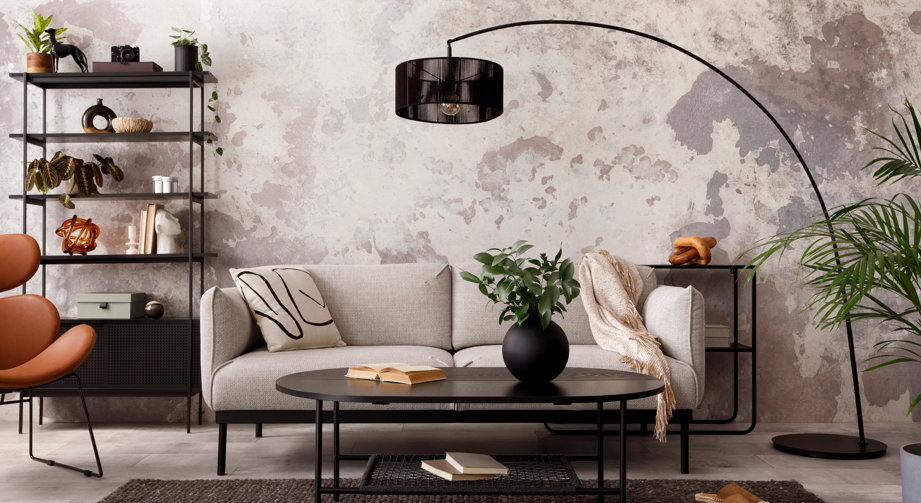
Welcome to the fascinating world of interior decor, where every corner of your home can become a living work of art. Today, our attention turns to a central space in every home: the living room. It is not only a place for relaxation and conviviality, it is also a reflection of our personality and our aesthetic tastes. Our mission, through this article dedicated to design and decor enthusiasts, is to support you in transforming your living room into a place that is practical, elegant and warm.
Arranging a living room is not limited to choosing a few pieces of furniture and placing them at random. It is a true art, requiring a sense of balance, an understanding of colours and textures and, above all, a vision of space that combines function and aesthetics. Our aim is to guide you so that every element, from the largest sofa to the smallest decoration, helps create perfect harmony.
We will explore together how to turn your living room into a welcoming, personalised space that not only meets your practical needs but inspires you every day. Whether you have a vast open space or a small cosy living room, the fundamental principles of layout and decoration remain the same. It is about creating a place where every member of the family feels at ease, a space that encourages relaxation and conversation and reflects your unique identity.
Ready to embark on this decorating adventure? Follow us on this journey into the heart of living room design, where creativity and function meet to bring your interior dreams to life.
I. How to arrange the furniture in the living room

The art of positioning
The arrangement of furniture is the first crucial step in laying out your living room. It is a task that calls for thought and planning. It all starts with understanding the available space. Take the time to measure your living room and note the dimensions of each piece of furniture. A sensible approach is to create a plan on paper or with an interior design app, allowing you to visualise the layout before moving anything.
Next, think about the focus of your living room. Is it a fireplace, a large window with a stunning view, or your television? The central element around which you will arrange your furniture should be chosen with care, as it will define the orientation and dynamic of the space.
The golden rule is to encourage conviviality and flow. Your sofa, probably the largest piece of furniture in the room, should be positioned so as to create an open and welcoming space. Make sure there is enough room to move easily around each piece of furniture. Also think about alignment: a sofa facing a fireplace or parallel to a bookshelf creates an impression of order and harmony.
Harmony of shapes and colours
Once the layout of the large furniture is settled, it is time to think about visual harmony. The combination of shapes and colours plays an essential role in creating a pleasant, balanced atmosphere.
Start by choosing a dominant colour palette for your living room. This could be neutral tones for a soothing mood, or bright colours for a dynamic atmosphere. The key is to maintain balance: contrasting colours can be used for accents, but they should not dominate the space.
The shape of the furniture is just as important. Clean lines and simple geometric shapes bring a modern touch, while furniture with soft curves evokes a more classic, comfortable style. Variety is welcome, but always with respect for overall harmony. For example, if you have a sofa with straight, modern lines, you can soften it with a round rug or an oval coffee table.
Finally, do not forget to take textures into account. They add depth and interest to your living room. A mix of different textures, such as a velvet sofa paired with linen cushions or a wooden table with metal elements, creates a rich and varied tactile experience.
Through these principles of layout and harmony, your living room will begin to take shape, reflecting your unique taste while ensuring comfort and function. In the rest of our guide, we will reveal more secrets to fine-tune your living space and turn it into a truly personalised haven.
II. Choosing furniture: combining style and function

Choosing furniture for your living room is a decision that influences not only the look of your space but also its comfort and practicality. It is not simply a question of taste; it is about finding a balance between functional needs and the expression of your personal style.
The design of the furniture is a central element of your living room's identity. Each piece, whether a sofa, an armchair or a table, should be selected not only for its beauty but also for its comfort and durability. Sofas should invite relaxation, chairs should support the back, and tables should be both sturdy and attractive. In the world of furniture design, trends are constantly changing, but choosing timeless pieces ensures that your living room will stay elegant for years.
Also consider modular furniture, an ideal solution for dynamic spaces. Modular furniture can be reconfigured to suit your needs, which is particularly useful if you like to refresh your space or often have guests. From sectional sofas to extending tables, these versatile pieces let you adapt your living room to a variety of occasions.
In your search for the perfect furniture, keep in mind that each piece should fit harmoniously into your living room as a whole. Consider the size, colour, shape and texture of the furniture and ask yourself how each element interacts with the others. A well-furnished living room is one where each piece of furniture finds its place, helping to create an atmosphere that is both coherent and welcoming.
III. Lighting: creating the perfect atmosphere
Lighting plays a crucial role in creating the atmosphere of your living room. It is not only about lighting the space; lighting can set the mood, show off your furniture and artworks, and even influence your wellbeing.
The first step is to choose the main lighting for the room. Whether you opt for a large chandelier, recessed spotlights or pendant lamps, this main light source should provide enough light for the whole room. However, it is important not to limit yourself to a single light source. Using accent lamps, such as table lamps or floor lamps, lets you create different levels of lighting and add depth to your living room.
Play of light is also an effective way of highlighting certain features of your living room. For example, directional spotlights can draw attention to paintings or shelves, while soft lamps can create a cosy mood in a reading corner. The colour temperature of the bulbs should also be taken into account; warm tones create a relaxing atmosphere, while cool tones are better suited to a work or reading environment.
Finally, think about functional lighting. In a living room, some areas need more direct and intense light, such as a desk or a games table. Make sure these areas have adequate light without breaking the harmony of the room's general lighting.
By combining different types and sources of lighting wisely, you can transform your living room into a welcoming and adaptable space, suited to every occasion, from everyday life to evenings with friends. Lighting is one of the most dynamic elements of interior decor; used well, it can turn your living room into a magical and inviting place.
IV. Accessories and decor: the personal touch

Accessories and decor are the finishing touches that bring life and personality to your living room. It is these small details that turn a functional space into a warm and welcoming place, reflecting your unique style.
When you choose decorative objects, think about what they say about you and your world. Colourful cushions, rugs with varied textures, carefully selected works of art, or even a collection of books or travel souvenirs can tell your story. Balance is essential: too few accessories can make a space feel impersonal, while too many can overload it. Aim to create a space that looks like you, without sacrificing simplicity and elegance.
Bringing art into your living room is another way of adding a personal touch. Whether you love modern art, photography, sculpture or traditional crafts, each piece should find its place thoughtfully. Play with colours and shapes so that your artworks complement the existing decor while standing out as focal points.
V. Optimising space: tips and solutions
Optimising the space in your living room is essential, especially if you are working with limited floor area. Even the smallest living rooms can be transformed into beautiful, functional spaces with a little ingenuity.
For small living rooms, the key is to use space intelligently. Choose furniture that can serve several purposes, such as ottomans with built-in storage or sofa beds for guests. Use wall shelves to save floor space while adding style to your room. Mirrors are also an excellent way of creating the illusion of a bigger, brighter space.
Storage and organisation are just as important in a spacious living room. Elegant, discreet storage solutions can help keep things in order while adding to the design of your space. Think about furniture with hidden compartments, built-in shelves, or even made-to-measure solutions that fit your space and needs perfectly.
In every case, the aim is to create a living room that not only meets your functional needs but is also a place where you feel completely at ease. Whether you have a large open space or a more intimate corner, every element of your living room should help create a welcoming and harmonious atmosphere.
By following these tips and putting your creativity into practice, you can transform your living room into a space that combines beauty, comfort and function. Every piece of furniture, every light source and every accessory plays a part in creating the perfect atmosphere, reflecting your personality and your lifestyle. With careful planning and a little imagination, your living room can become a true sanctuary, a place where every day is a celebration of elegance and wellbeing.