
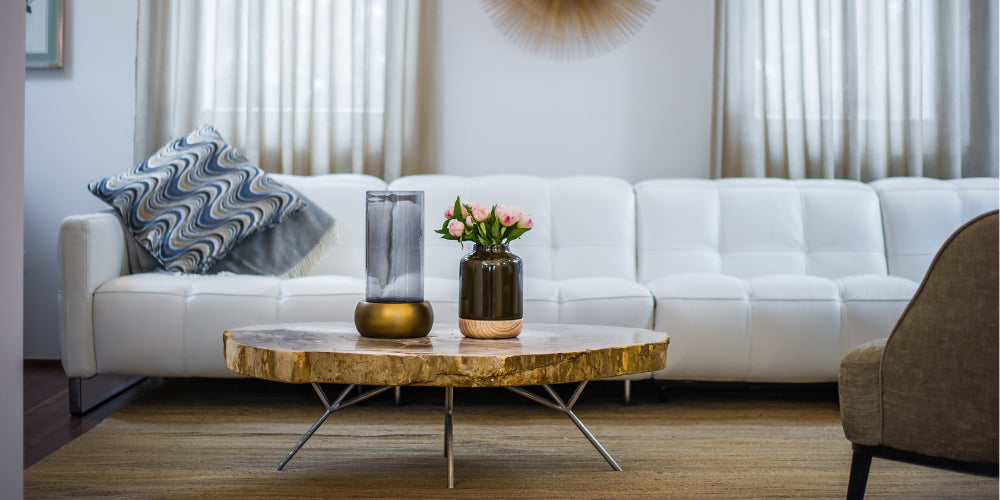
Welcome to the fascinating world of interior design, where every piece of furniture tells a story and every detail shapes the atmosphere of a room. Today, our focus is on an element that is often underestimated but essential in designing a welcoming and functional living space: the coffee table. Far from being a simple occasional piece, the coffee table is the living heart of the living room, a place for gathering, sharing and style.
By choosing and placing your coffee table with care, you can transform your living room into a harmonious space that combines aesthetics and comfort. It is a delicate task that calls for an eye for balance, design and function. Whether you have a large open-plan living room or a more intimate and cosy space, the coffee table you choose and the way you integrate it into your space can greatly influence the atmosphere and usefulness of your living room.
In this article, we will explore together the different aspects to consider when placing your coffee table ideally. From the perfect height in relation to the sofa to the best way to fit a coffee table into a small living room, and the ideal distance between the sofa and the coffee table, every detail counts. We will give you expert advice, design tips and creative ideas to help you make your living room a space where function and beauty meet in perfect harmony.
I. What height should a coffee table be in relation to the sofa?

The height of your coffee table in relation to your sofa is a crucial element in creating a living room that is both beautiful and functional. This often overlooked detail has a significant impact on the comfort and look of the room.
A. The importance of proportion
Balance is the key to any successful interior design, and this is particularly true for the layout of your living room. The relationship between the height of the coffee table and that of the sofa should create visual and functional balance. A table that is too low in relation to the sofa can look out of proportion and make it hard to reach the objects on it, while a table that is too high can get in the way and seem bulky.
The ideal coffee table height creates a clear line of sight, making conversation and eye contact easier between people seated in different parts of the living room. This creates a sense of openness and flow in the room, inviting relaxation and conviviality.
B. Ideal measurements
As a general rule, the ideal height of a coffee table should be equal to or slightly lower than the seat height of the sofa. This allows easy and comfortable access for everyone, whether to put down a glass, pick up a book or simply to relax.
For a standard sofa, a coffee table with a height of 40 to 50 centimetres is often ideal. However, this rule can vary depending on the style of your sofa and your personal preferences. For example, if your sofa has particularly thick cushions, a slightly taller table might be more appropriate.
C. Decorating tips
The height of your coffee table is not the only factor to consider. Harmonising the table with the sofa and the rest of the living room decor is just as important. Using accessories such as trays, art books or collectibles
can help create a smooth visual transition between the sofa and the table. This not only bridges any difference in height but also adds a personal, stylish touch to your space.
In addition to the accessories on the table, think about the space around it. A well-placed rug under the coffee table can not only protect your floor but also help define the space and create unity between your coffee table and your sofa. Choose a rug that complements the texture and colour of both pieces of furniture for a harmonious effect.
Cushions on the sofa can also play a part in visual balance with the coffee table. By choosing cushions that reflect the colours or patterns of the table, you can create an aesthetic link that unites the whole living room. This helps create a visual flow that guides the eye through the room, reinforcing the effect of a well-thought-out, harmonious space.
Finally, light plays an essential role in showing off your coffee table and its relationship with the sofa. Well-placed lighting, whether table lamps, floor lamps or natural light, can highlight the coffee table and create a warm, welcoming atmosphere. Light can also be used to accentuate certain features of the table, such as the texture of the material or the shine of the surface.
In short, harmony between the coffee table and the sofa is a delicate balance between function, aesthetics and comfort. By taking the ideal height into account, playing with accessories and lighting, and creating visual continuity between the elements of your living room, you can create a space that is both beautiful and pleasant to live in. Do not be afraid to experiment with different arrangements and styles until you find the one that suits you best. After all, your living room is a reflection of your personality and your lifestyle, and it should be a place where you feel completely at ease.
II. Which coffee table for a small living room?

Choosing the perfect coffee table for a small living room requires particular attention to scale, function and style. In a limited space, every piece of furniture must be selected with care to maximise both practicality and aesthetics.
A. Choosing the right size
The size of your coffee table is crucial in a small living room. A table that is too big can overwhelm the space, while a table that is too small can seem insignificant and impractical. The key is to find a balance, choosing a table that offers enough surface for your needs while leaving enough room to move around the room easily. A good rule of thumb is to leave about 45 cm of clearance between the table and other furniture or walls.
Consider coffee tables with built-in shelves or drawers. These options provide extra storage solutions, ideal for small spaces where every centimetre counts. You can store remote controls, magazines or small decorative objects in them, freeing up space on the tabletop for your coffee cups or books.
B. Style and shape
The shape of the coffee table also plays an important part in a small living room. Round or oval tables are often recommended because they have no sharp corners, which makes them more practical in tight spaces where people pass frequently. These shapes also soften the space visually, creating a more organic flow in the room.
As for style, opt for materials and colours that complement the rest of your furniture while making the space look bigger. Glass tables or those with glossy finishes can reflect light and give an impression of openness and lightness. Light or neutral colours also help make the space feel more airy and less cluttered.
C. Built-in storage ideas
Building storage into your coffee table is a smart strategy for maximising the use of space in a small living room. Look for tables with hidden drawers, shelves or even pouffes that tuck away under the table. These built-in storage solutions let you keep clutter out of sight while keeping your essentials within reach.
III. What distance between the sofa and the coffee table?
The distance between the sofa and the coffee table is an aspect that is often overlooked in living room design, yet it is essential for creating a functional and comfortable space.
A. The golden rule of layout
The ideal distance between your sofa and your coffee table depends on several factors, including the size of your living room and the way you use the space. In general, a distance of 45 to 50 cm is recommended. This distance allows easy access to the table while leaving enough room to move around freely.
This distance is not only a matter of function, but also of visual comfort. It creates an open area that eases circulation in the room and makes the space more welcoming. A table that is too close can make it hard to get to the sofa, while a table that is too far away can make it hard to reach the objects on it.
B. Adapting to your lifestyle
Your lifestyle should also influence the distance between the sofa and the coffee table. For example, if you often use the living room for family activities, such as board games or movie nights, you might prefer a closer table to make access and interaction easier.
Conversely, if your living room also serves as a workspace or reading area, you might prefer a little more space between these two pieces of furniture for a sense of openness and calm.
C. Harmonising with other furniture
In the layout of your living room, it is essential to consider the coffee table not only in relation to the sofa, but also to the other furniture. The distance between the coffee table and the sofa should harmonise with all the furniture, including armchairs, shelves and the entertainment unit.
Make sure the coffee table is placed so as to give easy access to all the seats in the living room. It should not block the way to the sofa or armchairs and should allow easy circulation. Likewise, make sure the table is not too far from the secondary seating, so that everyone in the living room can easily reach the objects on the table.
In a living room that serves several purposes, such as watching television, working or relaxing, the coffee table should be placed so as to complement these different activities. For example, if you have a television in your living room, the table should not obstruct the view or access to the remote control or snacks during a film.
Finally, the distance between the sofa and the coffee table must also take into account the overall look of the room. A well-planned living room has a natural flow that guides the eye through the room smoothly and harmoniously. The coffee table, as the focal point of the living room, plays a key role in creating this visual balance.
In short, the distance between the sofa and the coffee table is a crucial aspect of your living room layout. It influences not only the function and comfort of the space, but also its overall look. By taking these different aspects into account, you can create a living room that is beautiful, comfortable and suited to your lifestyle.
IV. Choosing materials and caring for your coffee table

The choice of materials for your coffee table is not only a matter of style, but also of function and durability. Each material brings its own texture, colour and character to the room, while requiring a specific level of care.
A. Popular materials
Wood is a classic choice for coffee tables, offering warmth and sturdiness. It comes in a variety of species and finishes and can suit a range of interior styles, from rustic to modern. However, wood needs regular care to prevent scuffs and stains.
Glass tables are an excellent option for creating an impression of space and lightness, particularly in small living rooms. They are easy to clean, but can be prone to fingerprints and chips.
Metal, for its part, offers exceptional durability and a contemporary look. Metal tables can range from industrial styles to more streamlined designs. They are often easy to maintain, although they may need special care to prevent rust.
B. Care tips
How you care for your coffee table depends largely on its material. For wooden tables, use a mild cleaner and avoid prolonged exposure to moisture and direct sunlight. Glass tables can be cleaned with a simple glass cleaner, while for metal tables it is often recommended to use a soft, dry cloth to avoid water marks.
Whatever the material, it is advisable to use coasters and placemats to protect the surface of the table from scratches and stains. If a stain appears, act quickly to avoid permanent damage.
V. Accessorising your coffee table
Accessorising your coffee table is an opportunity to reflect your personal style and give character to your living room. It is a chance to play with colours, textures and shapes to create an attractive focal point in the room.
A. The art of decoration
The choice of decorative objects for your coffee table should be considered. Opt for elements that complement the overall style of the living room. Art or photography books, candles, small vases or travel souvenirs can add a personal touch without cluttering the space.
It is important to find a balance between aesthetics and function. Too many objects can make everyday items hard to reach, while too few can give an impression of emptiness. Think about symmetry and the height of the objects to create a composition that is pleasing to the eye.
B. Seasonal changes
Your coffee table can change with the seasons. In autumn, add touches of warm colour with small decorative elements. In winter, candles and soft textures can create a cosy atmosphere. In spring and summer, opt for bright colours, fresh flowers or natural elements to refresh the space.
C. Lighting and greenery
Adding plants or small lamps can transform the mood of your living room. Plants bring an element of life and freshness, while lamps create a warm and inviting atmosphere. Position these elements so as to complement the overall layout of the room, without blocking the view or access to the table.
In conclusion, the coffee table is much more than a simple piece of furniture in your living room. It is the meeting point where design, function and personal style come together. By choosing the right materials, caring for your table carefully and accessorising it with care, you can create a space that is both beautiful and functional and that reflects your lifestyle and personality.